
Compression
Does the web still need HTTP Deflate?
The compression format war of the last decade was won by Gzip. Why do web browsers still support the legacy HTTP Deflate (Zlib) format? It’s time to deprecate it.
Compression
The compression format war of the last decade was won by Gzip. Why do web browsers still support the legacy HTTP Deflate (Zlib) format? It’s time to deprecate it.
Hypertext
Firefox for Android “forgets” to send SameSite=Strict cookies to websites, causing them to log you out and forgot you ever visited them in the past.

WebPerf
Chrome intends to remove support for server push; an underutilized performance feature introduced in HTTP/2. It cites low usage and implementation complexity.

Hypertext
A new HTTP header enables websites to redirect their visitors using the Tor Browser to their more secure Onion site.

Compression
The majority of websites don’t compress their favicon files despite an impressive average file size reduction of over 70 %.

Apache HTTPD
Apache’s module for server-driven HTTP content negotiation isn’t suited to make decisions about which pre-compressed resource to serve.

Hypertext
Any HTTP Content-Security-Policy blocks the default <audio>/<video> controls in Safari unless you deliberately make it less secure.

HTTP Caching
Don’t use Nginx’s merge_slashes option in your HTTP reverse caching proxy setup. Here’s an example of an unintended problem caused by blindly rewriting URLs.
Apache HTTPD
Five implementation problems and gotchas when using Apache’s HTTP caching module. Learn how to keep your HTTPD caching proxy server from messing up.
Hypertext
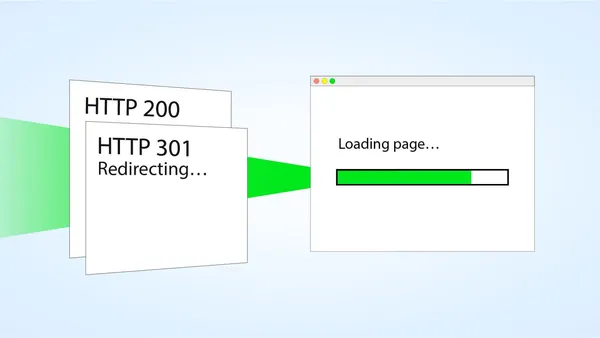
HTTP 301 redirects are supposed to be permanent. Clients are expected to update links and not request the old address in the future.

Hypertext
Bots and older clients sometimes request /page#fragment URLs over HTTP without stripping away the URL #fragment. Here’s how to recover using redirects.

CDN
A quick review of which content delivery networks support RFC 5861’s Stale-While-Revalidate and Stale-If-Error caching directives.